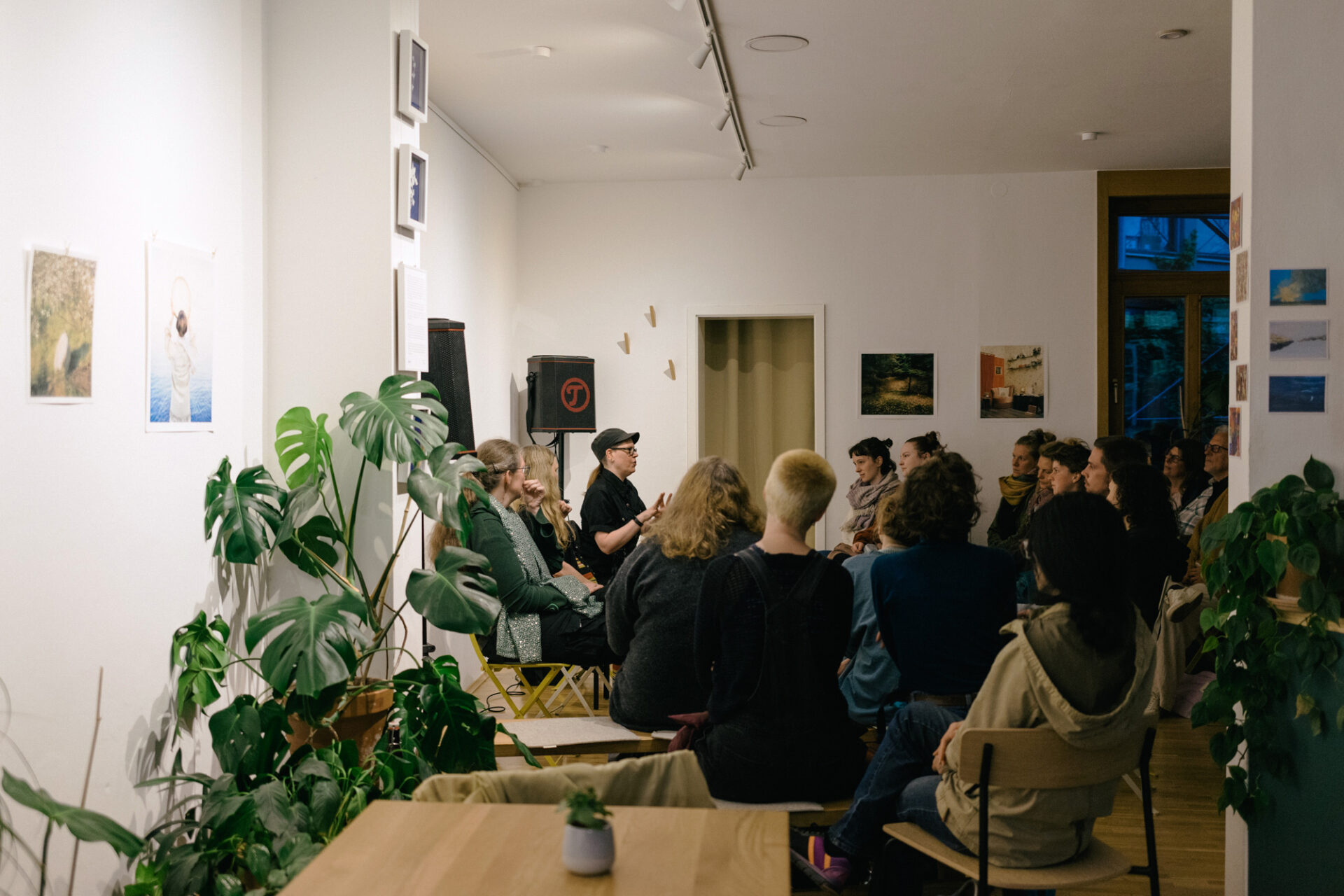
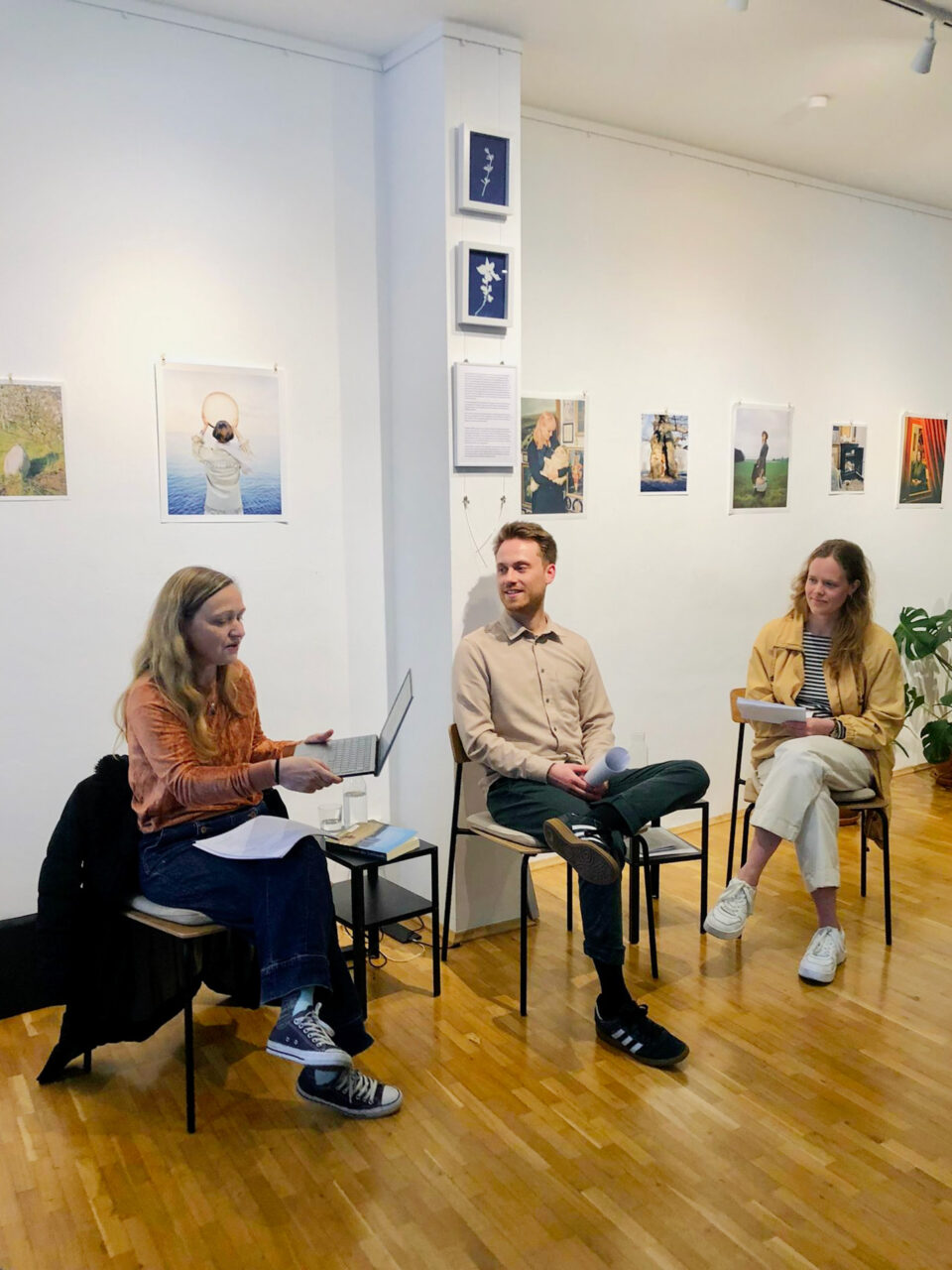
WE ARE THE GRANDDAUGHTERS OF THE WITCHES YOU COULD NOT BURN
„Every town has its witch, and every parish its trolls; we will keep those from our lives with fires of happiness.“ These lines ring out at traditional Sankthansaften when a witch doll is burned on the bonfire.
The work is a visual investigation of the history of witch hunts in Denmark and their impact on today‘s society. Particularly on the perception of women in a time marked by a growing interest in spirituality. The project questions the prevailing perception of witches. It draws a connection to the history of witch hunts in Denmark in the Early Modern Period. The effects of the systematic persecution of witches, mainly in the 16th and 17th centuries in Europe, can still be observed today. Many of these underlying principles still exist in our patriarchal, capitalistic and colonialist society.
„We are the granddaughters of the witches you could not burn“ explores these sociopolitical and cultural influences by combining history with the contemporary perspective of modern Danish witches.
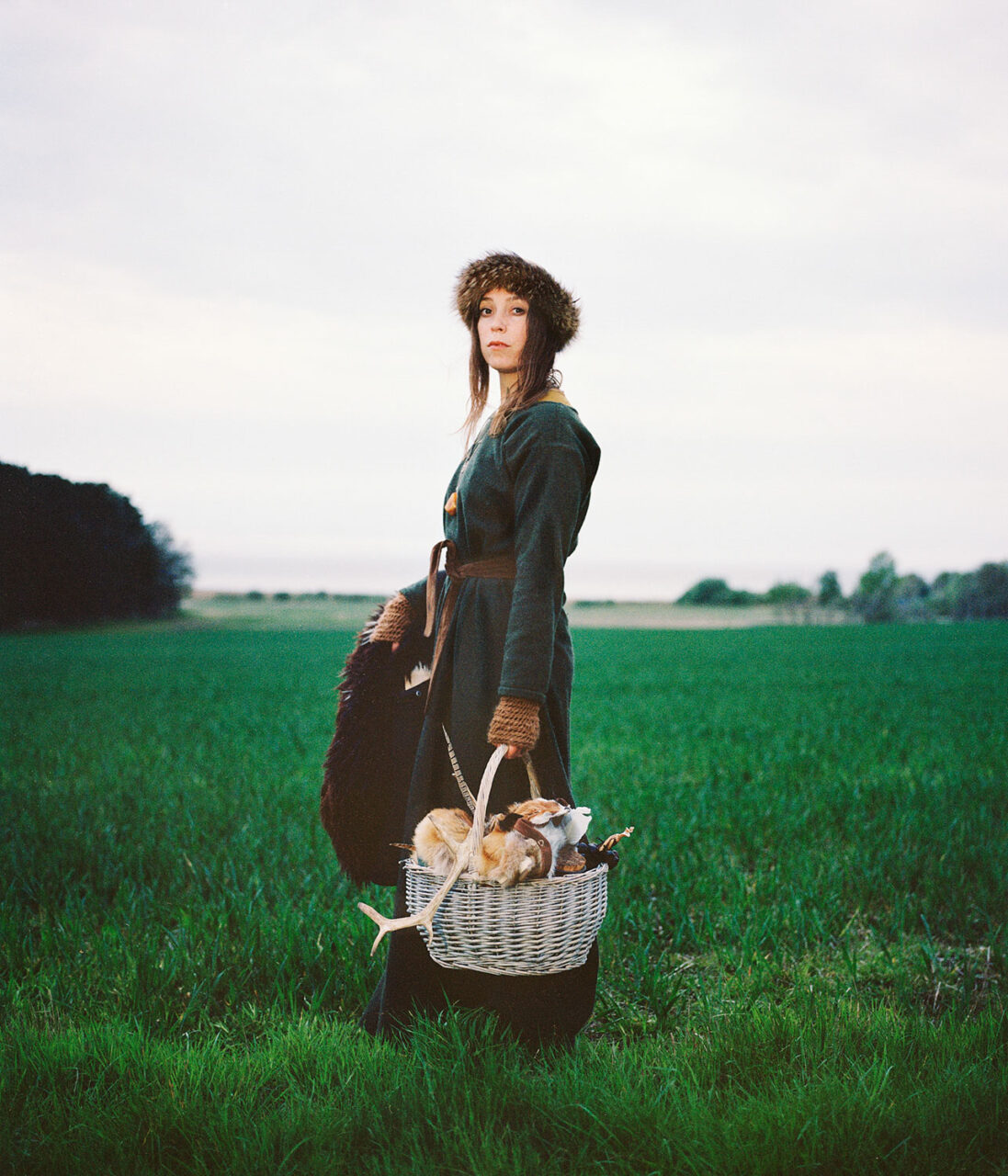 Iben wears traditional shamanic clothing inspired by the Vølve, a figure of the nordic mythology.
 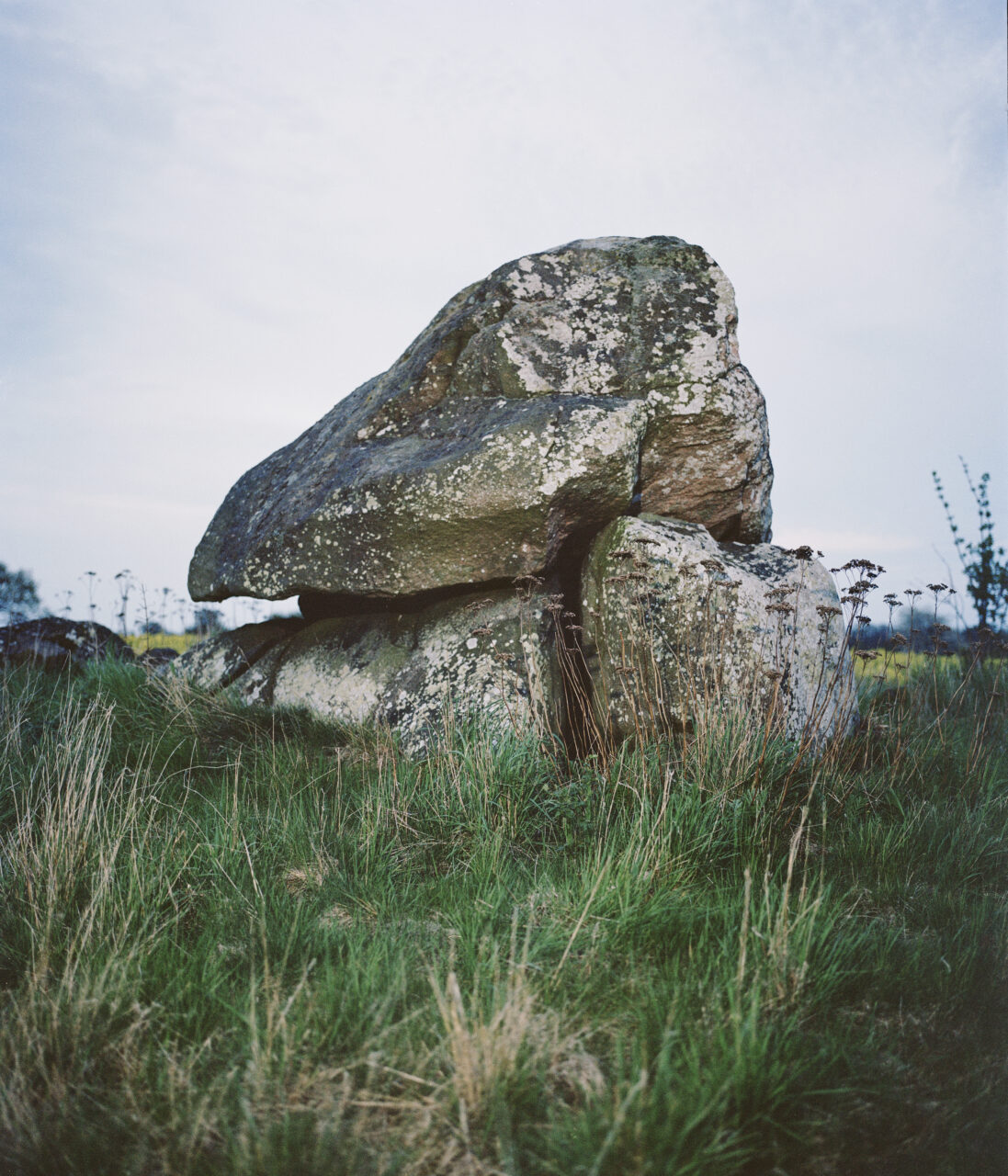 The stone cite next to Iben‘s home. She feels close to stones, as they are home to trolls, spiritual creatures she is very interested in.
 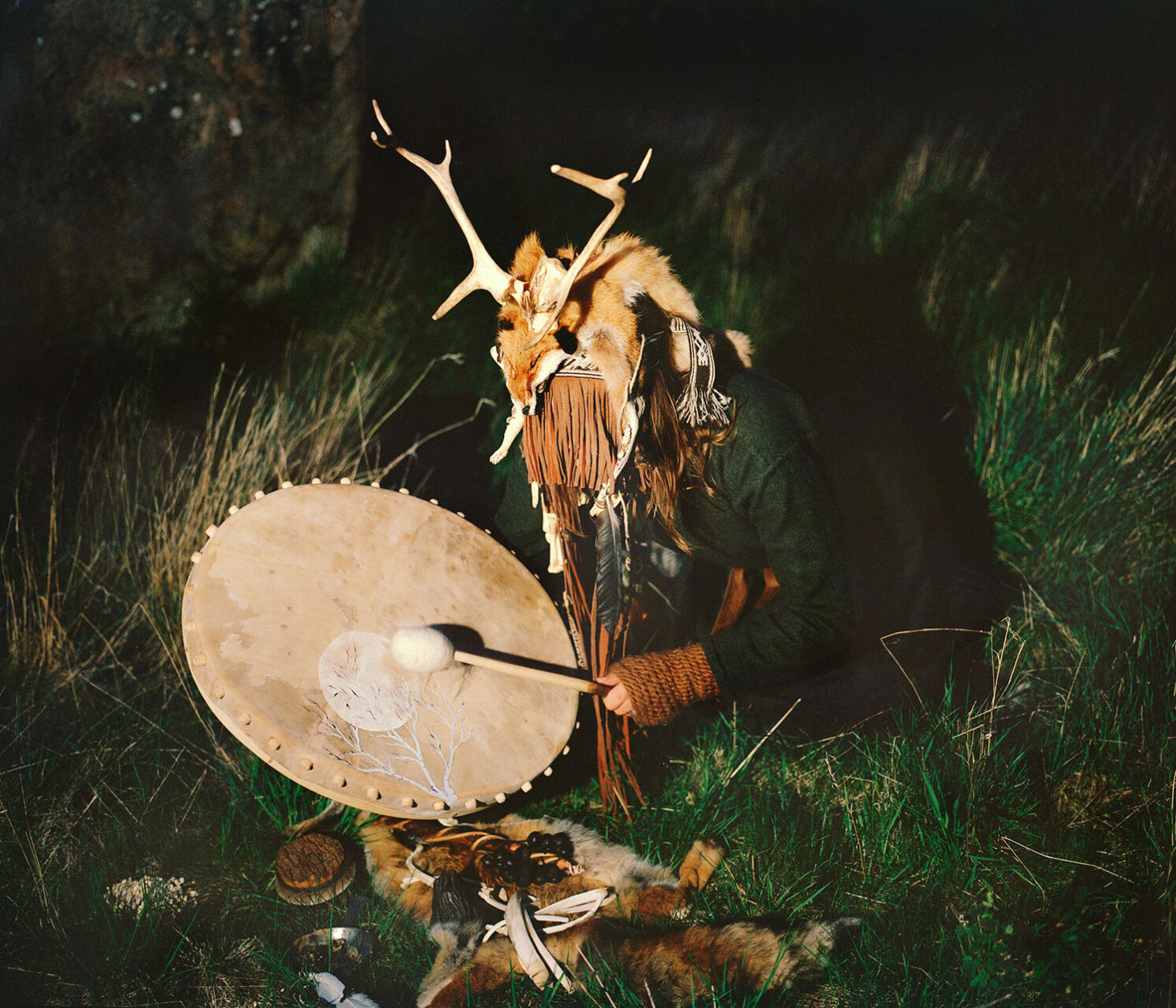 Iben mostly practices in the dark because it is easier for her to connect with the spirits.
 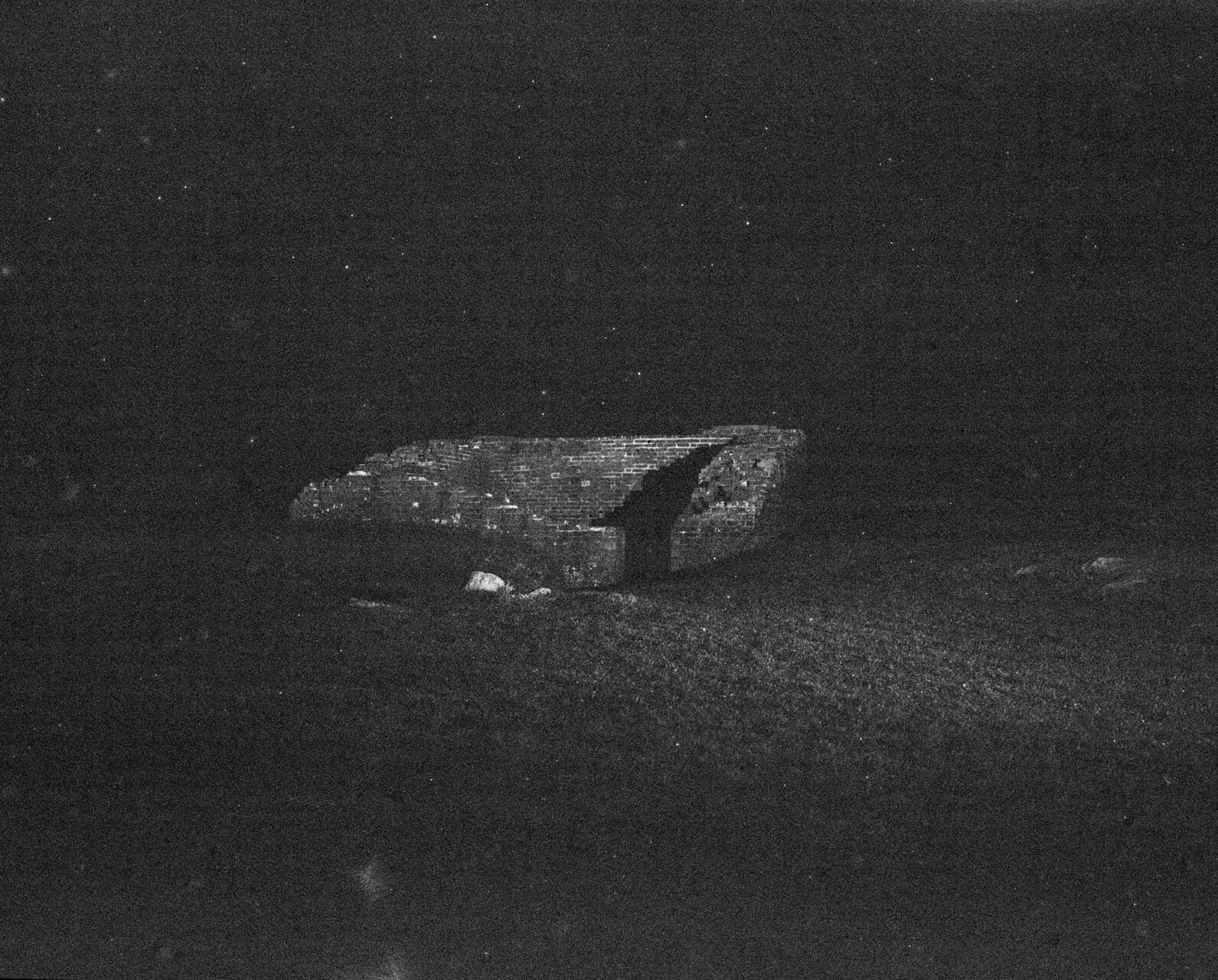 The medieval castle Riberhus was home to the local landlord and to other witch hunters. Today the ruin of the castle remains and is located on Slotsbanken in Ribe.
  Henriette is calling the spirits with her drum and her voice at the ocean. She feels highly connected to the element of water as it transfers energy through circulation all over the planet.
 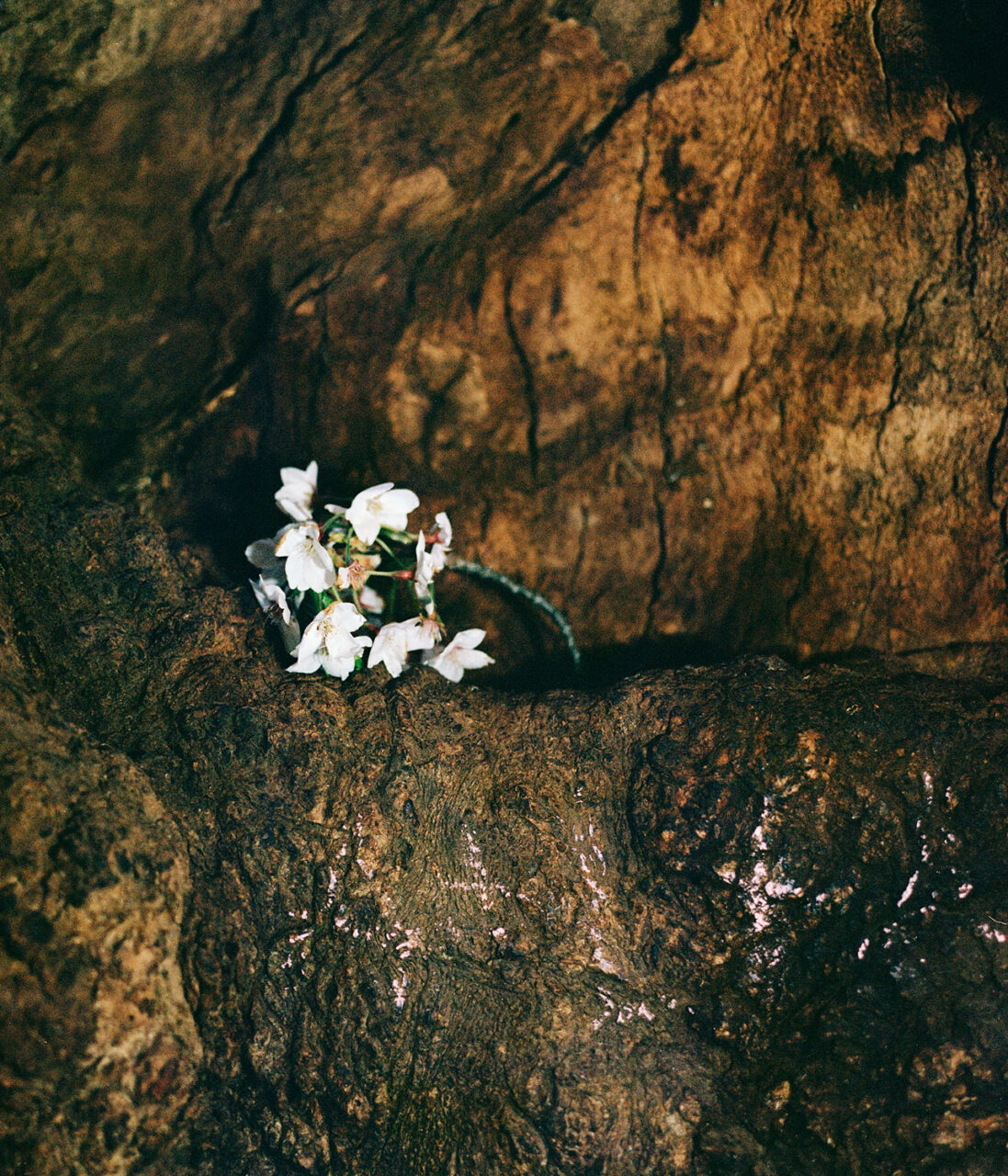 Flowers Henriette uses in one of her rituals to empower women and the divided feminine.
 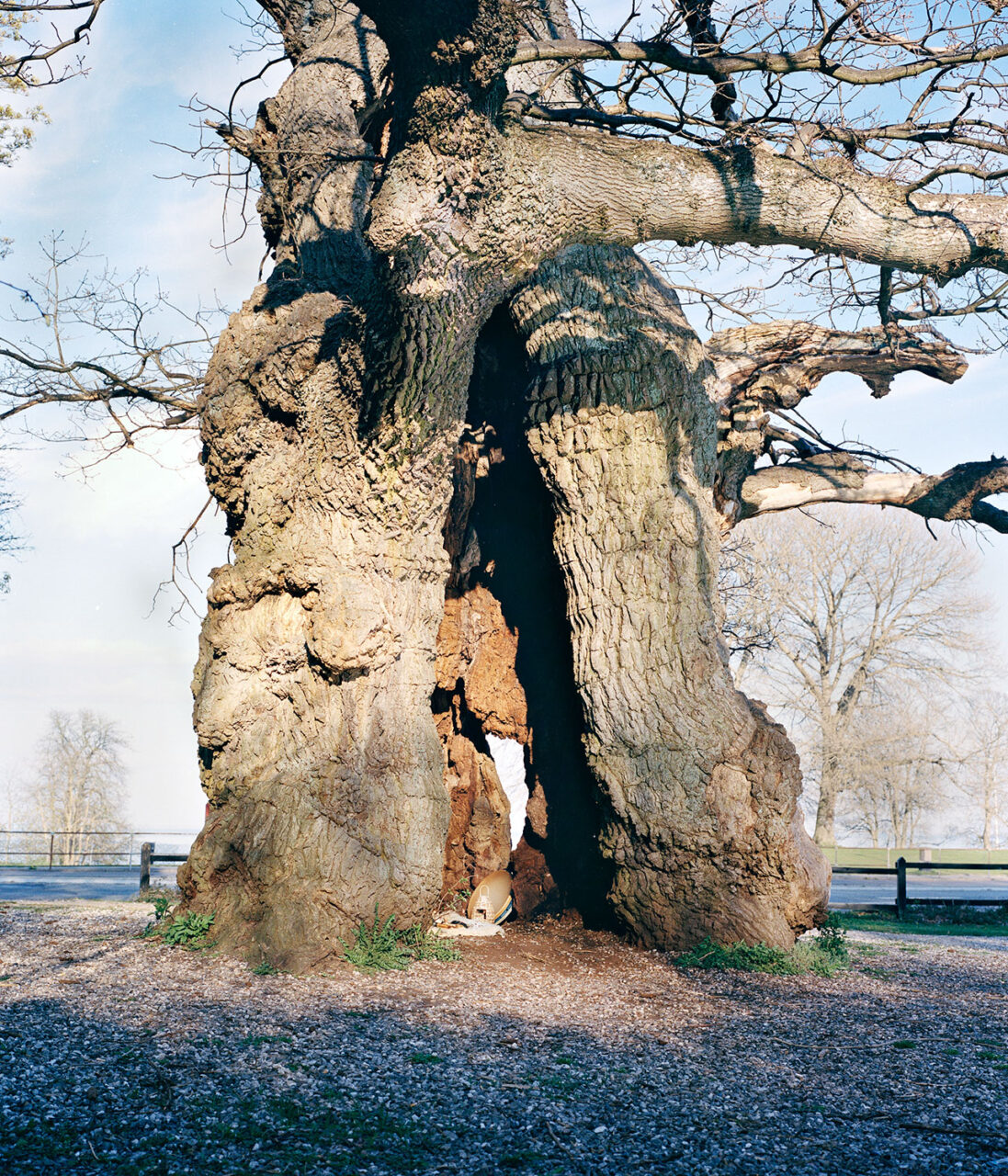 The old hollow oak is more than 800 years old and one of Henriettes favorite cites, where she does her spiritual practice.
 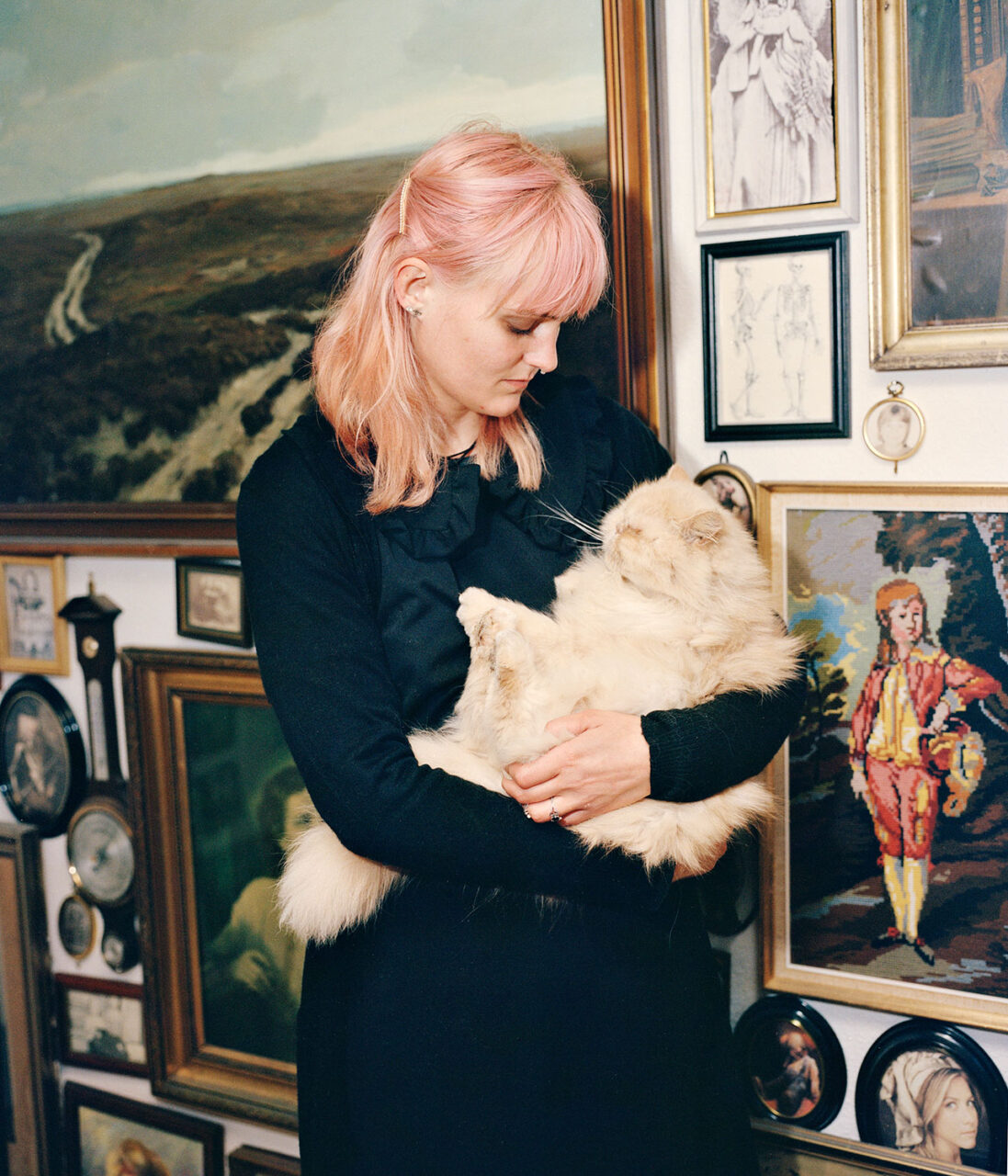 Birgitte considers her cat her best friend. The walls are covered with paintings and pictures of people whose energy touches her spiritually.
 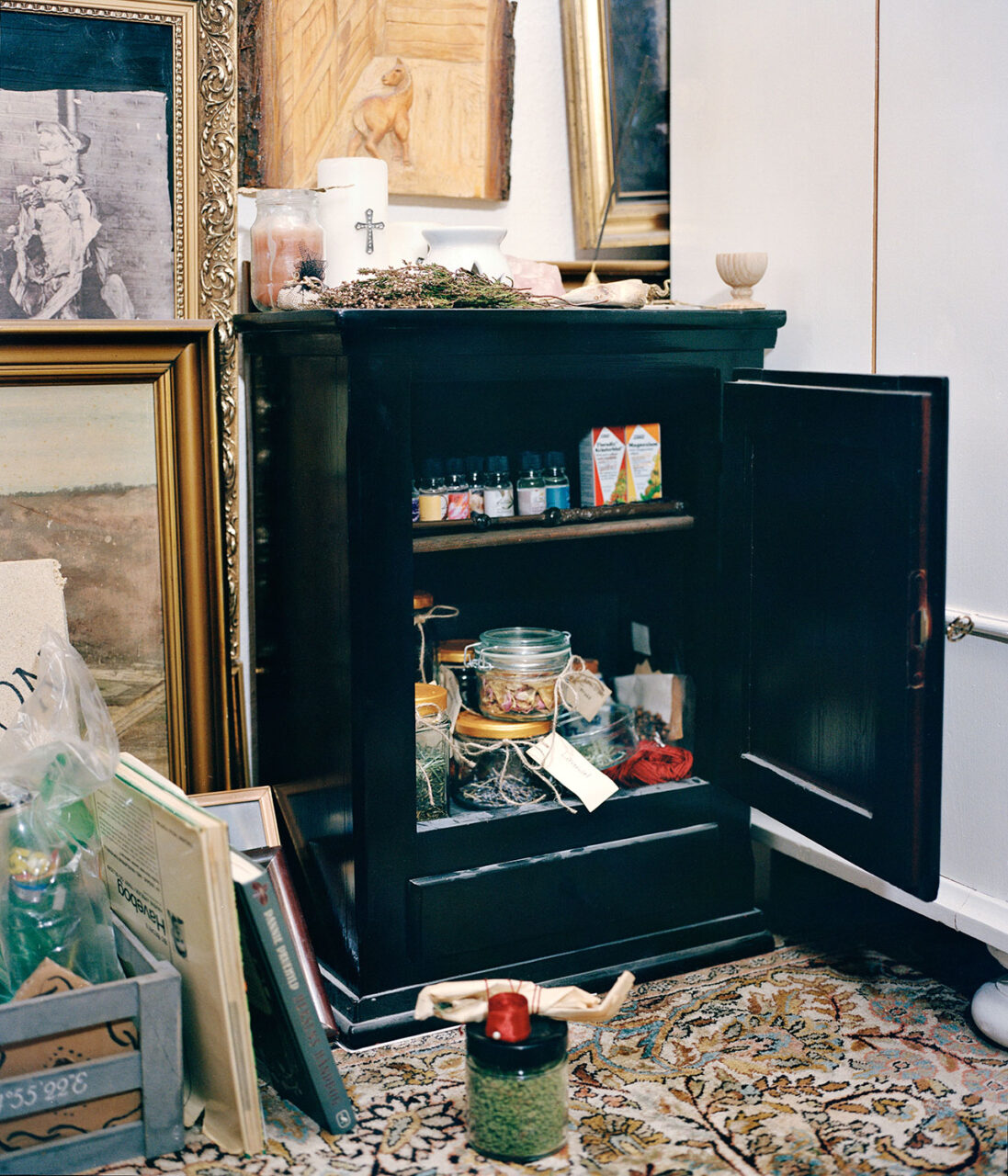 Birgitte collects all items and herbs she needs for her rituals one day in advance and places them on her Altar.
 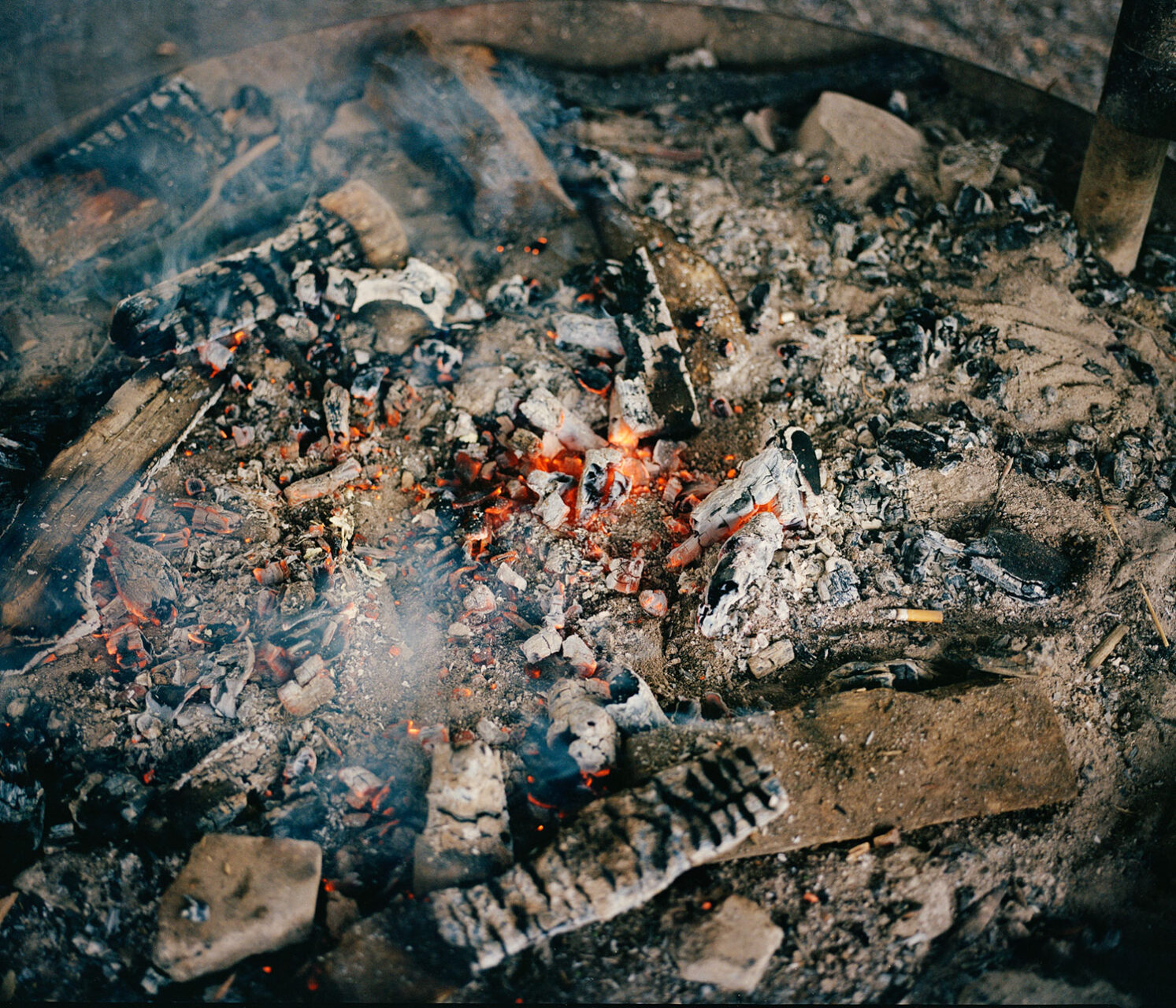 Witchcraft in everyday life: Birgitte practices a ritual in which she burns a cigarette to stop smoking.
 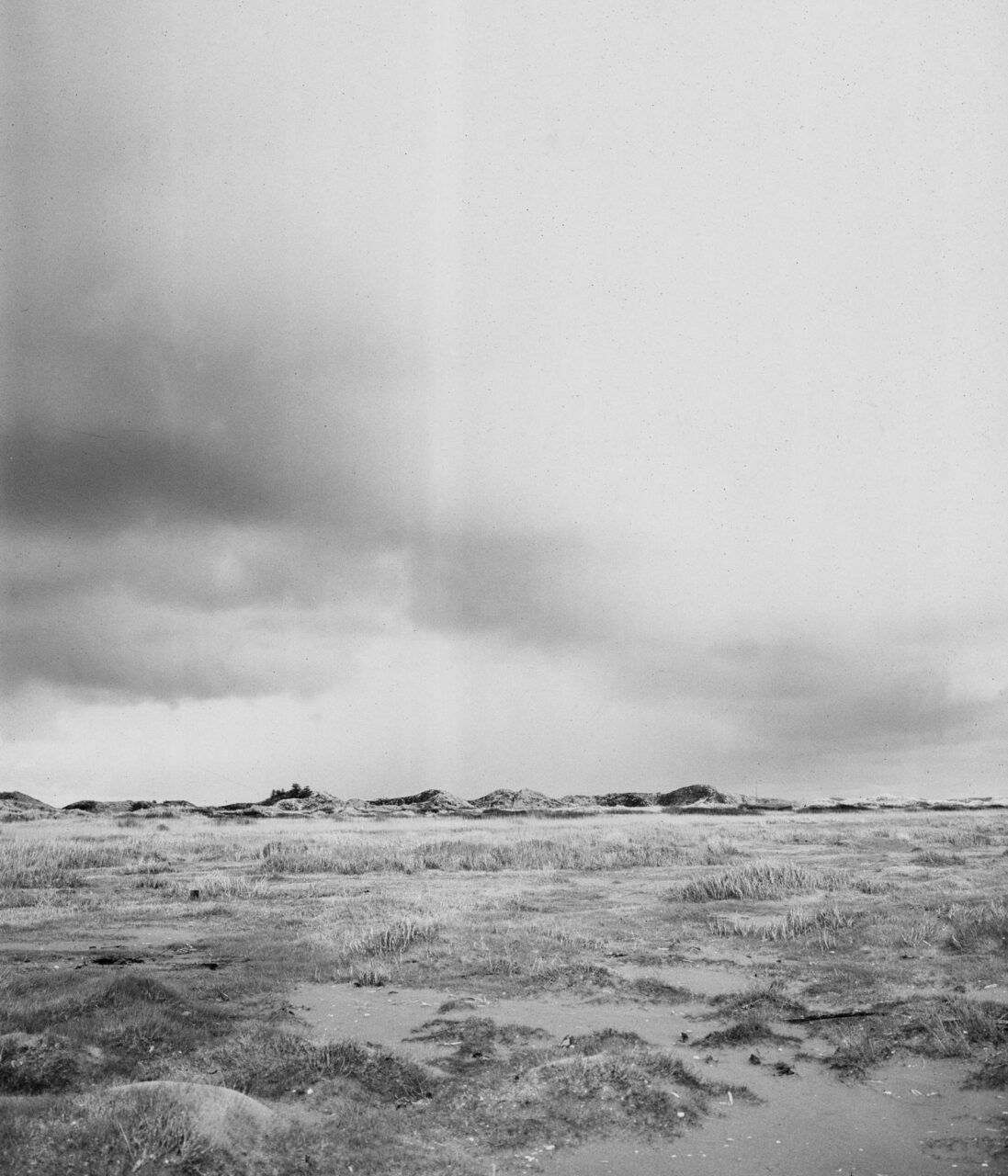 The idea of the sabbat was an integral part of the early modern European language of demonology. In Denmark the accused witches were told to have gathered on remote hills of Fanø.
 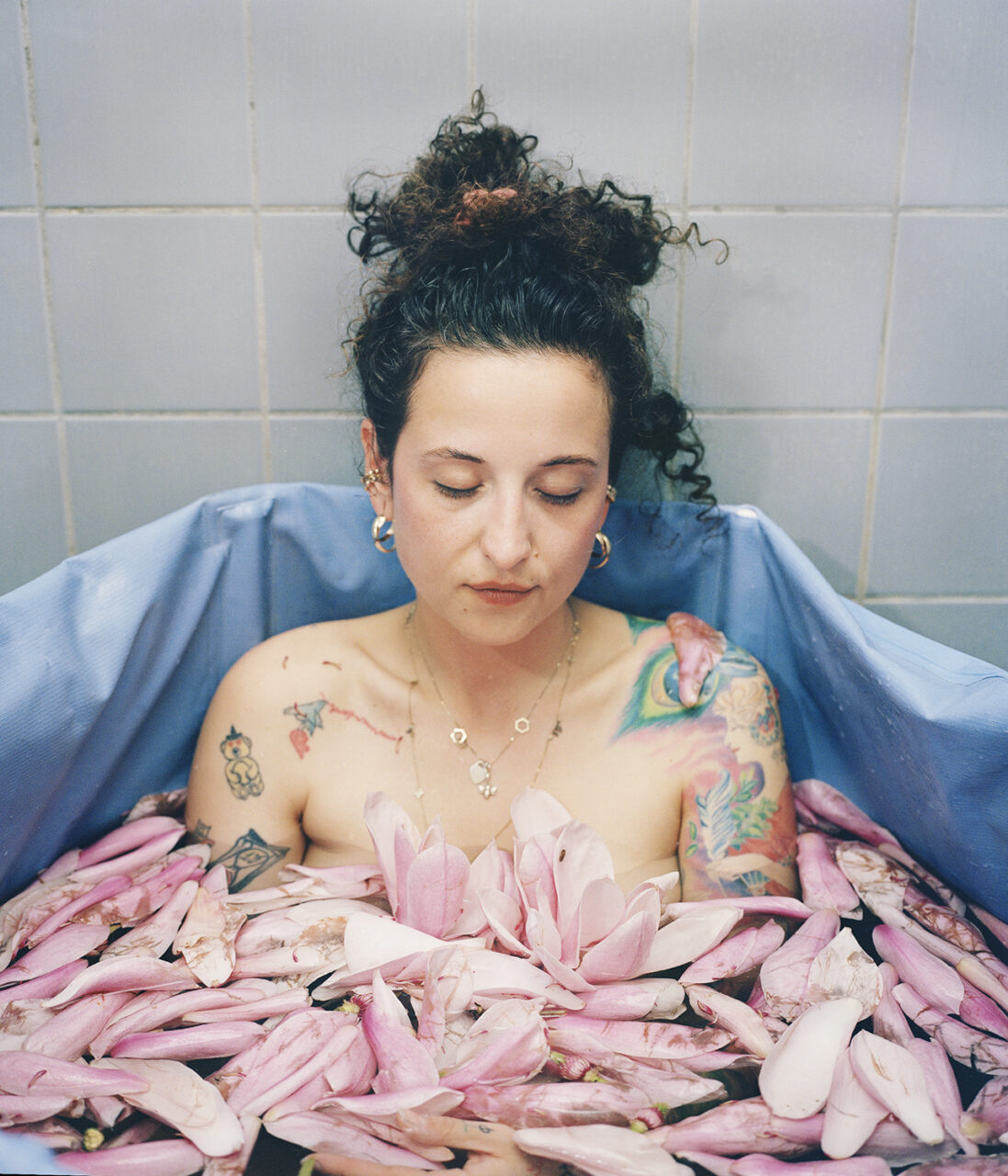 Paulina sees witchcraft very related to picking and fermenting flowers and herbs. She also brews beer, a tradition that was originally practiced by women.
 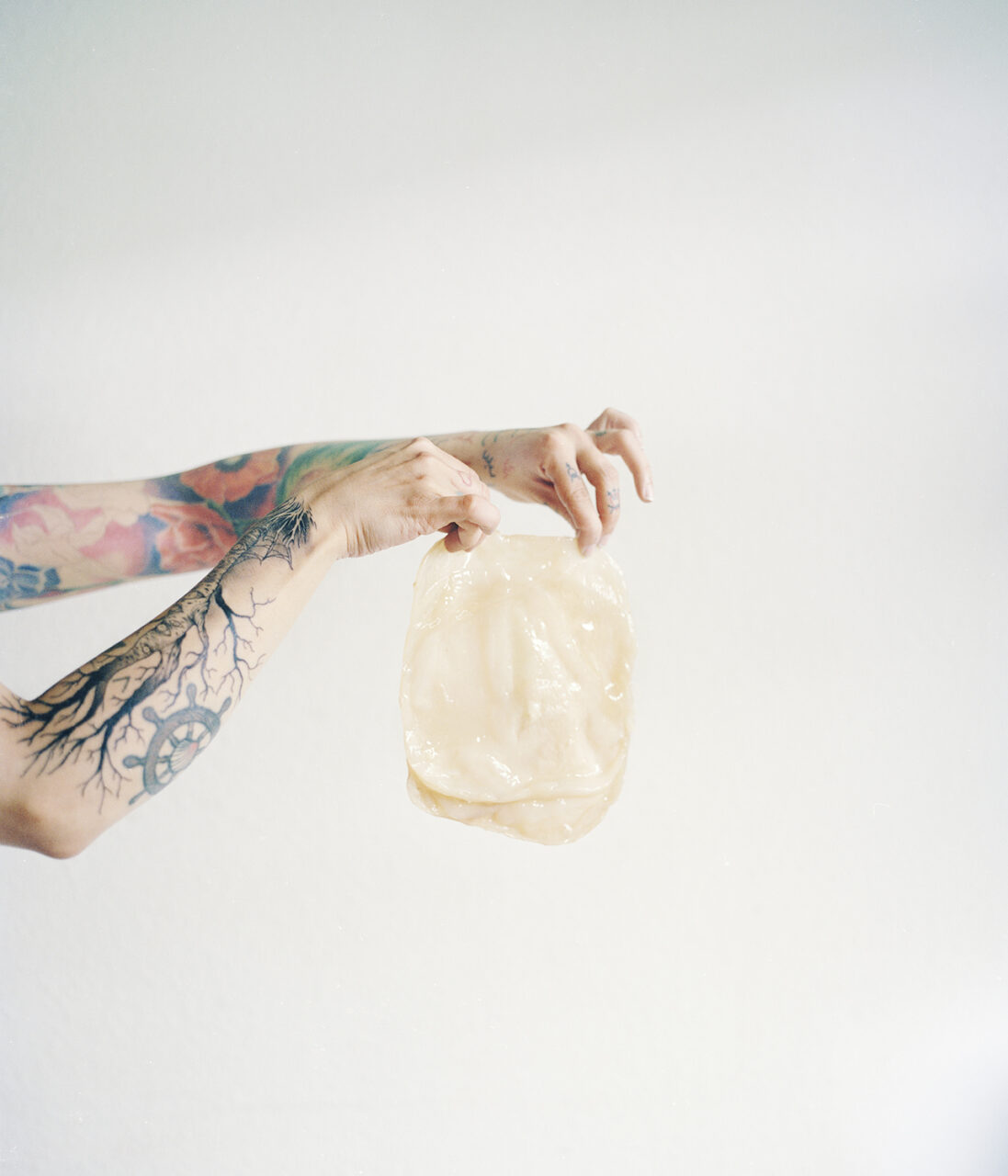 One of Paulina‘s culture of bacteria and yeast for Kombucha. She sees fermenting as a spiritual practice related to witchcraft because you go back to the roots using the old knowledge of herbs and flowers.
 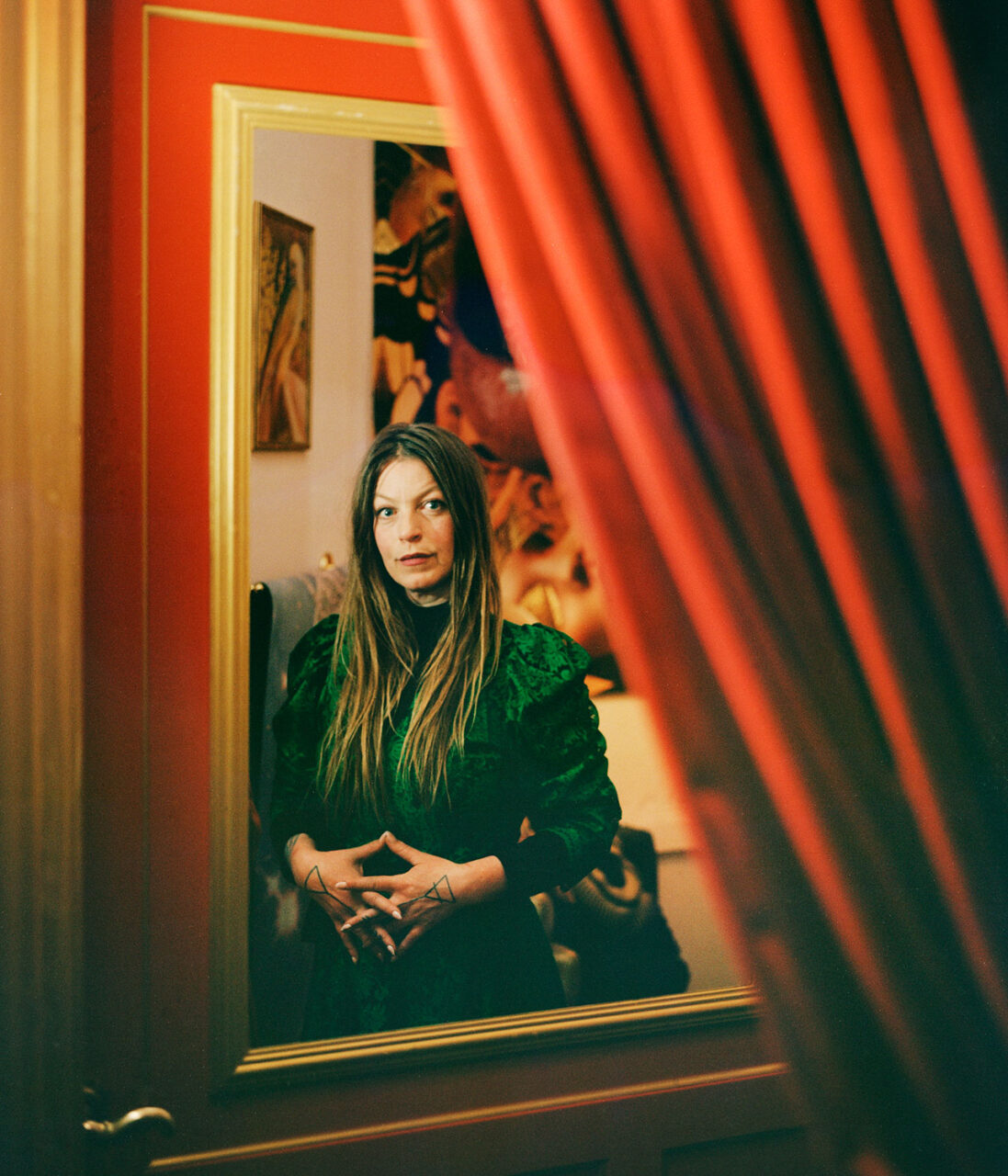 Mai in the witch shop „La Diosa“ in Copenhagen, where she is working in.
 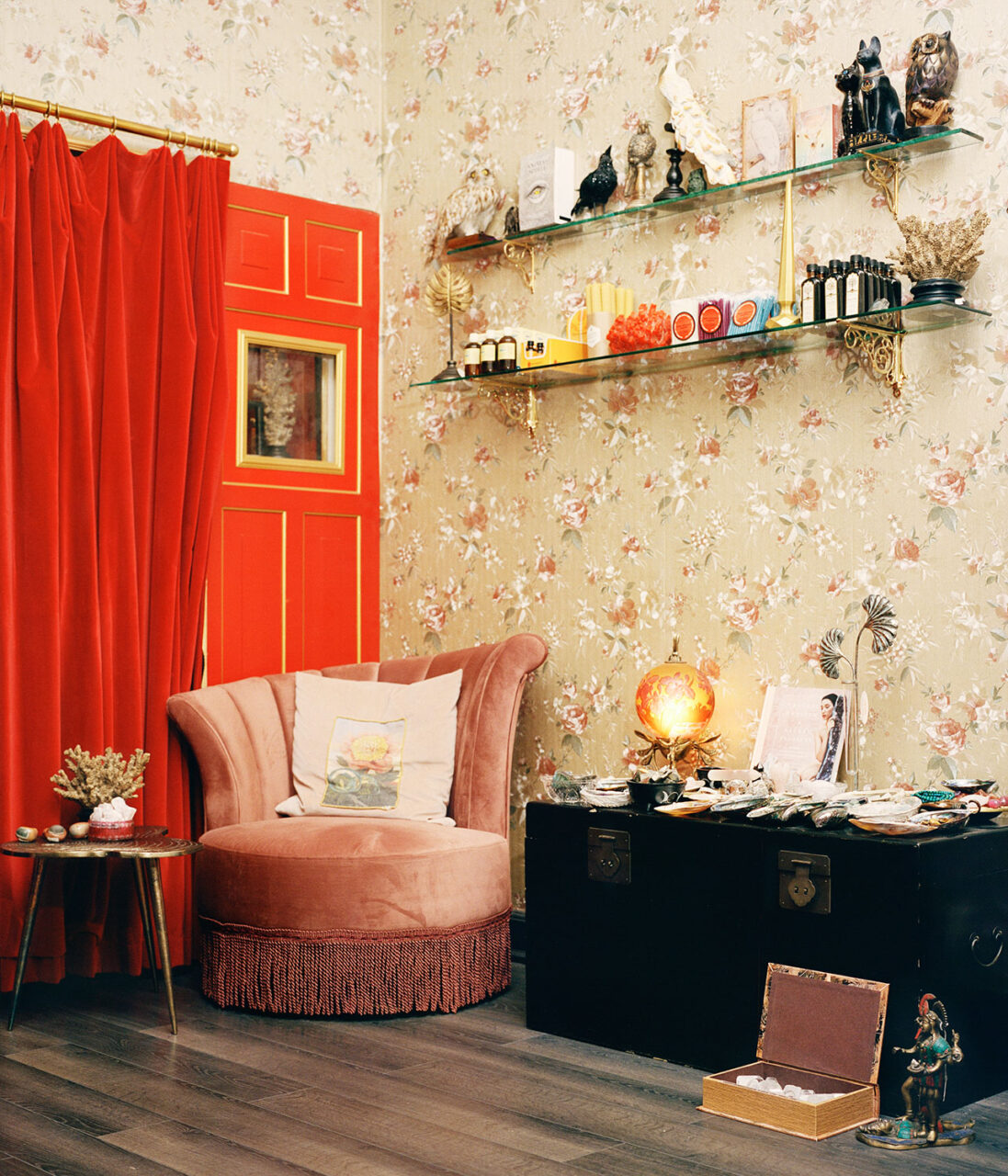 „La Diosa“ offers a lot of items, witches could use for their spiritual practice, like tarot cards, crystals and books.
 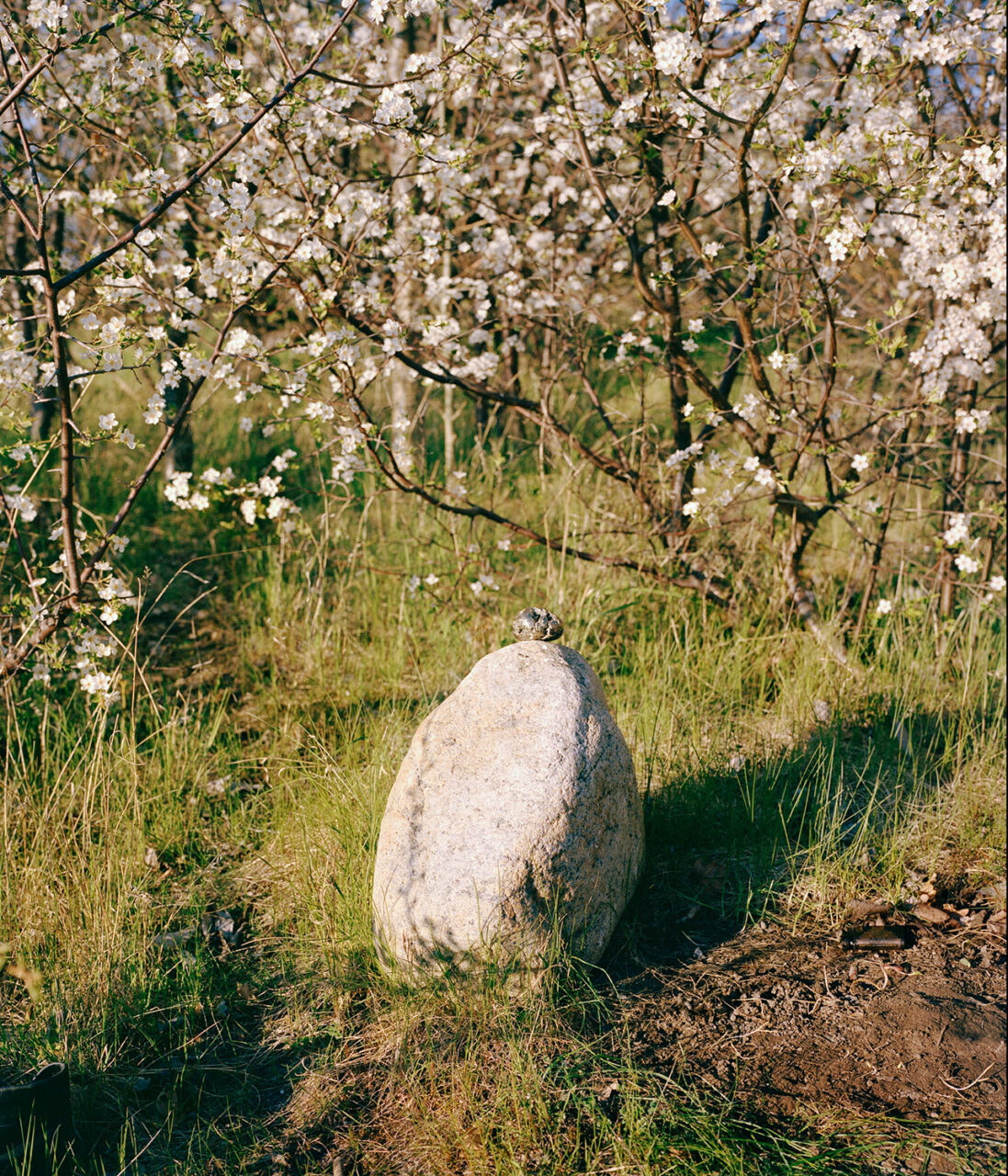 Some witches are attracted to certain crystals and use them in their rituals because they have a specific energy.
 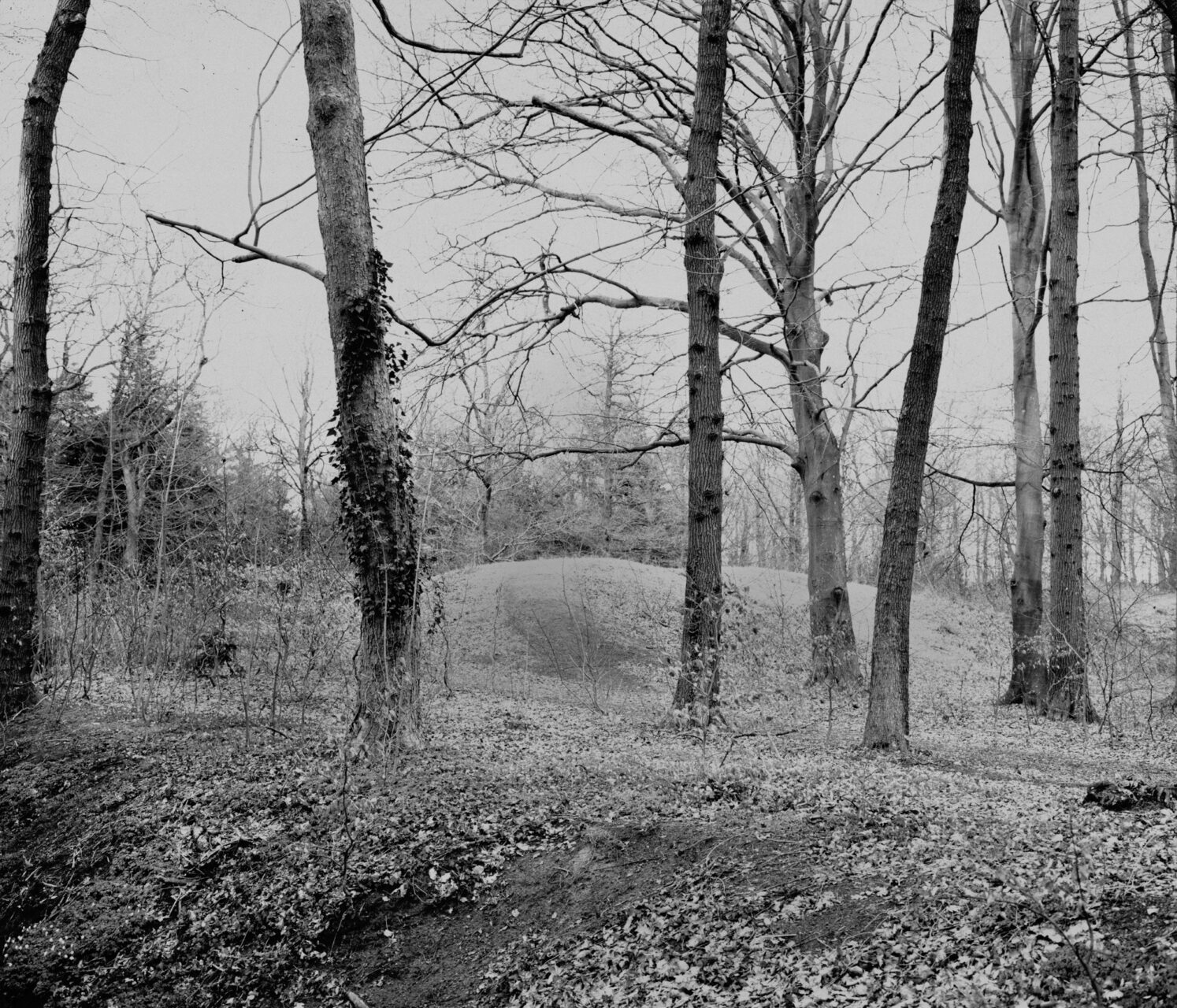 The old gallows hill in Ribe. In 1641 Maren Splids, one of the most famous Danish accused witch was executed on this cite.
 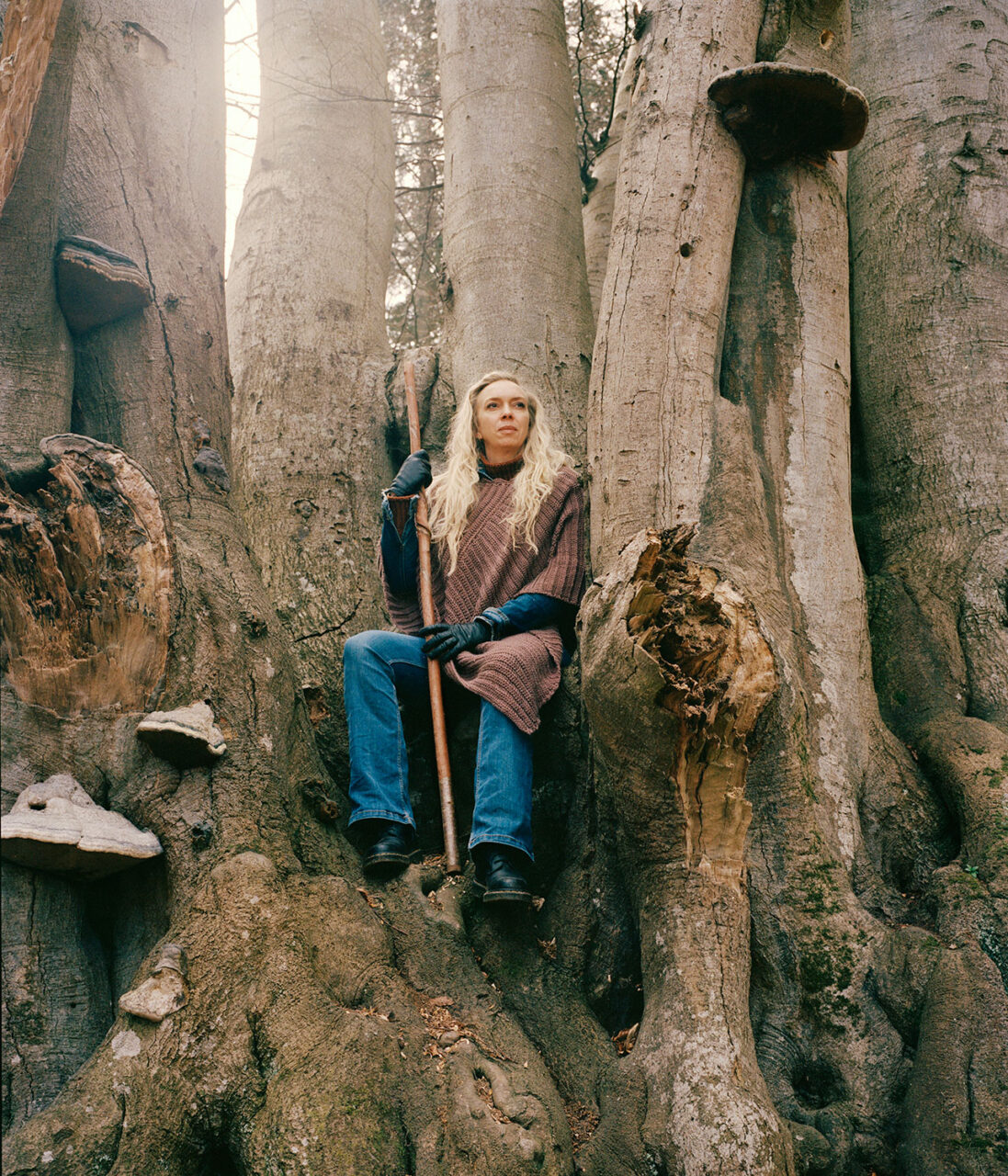 Maria in an old tree near her home. Trees have a strong spirit for most of the witches because they exist for such a long time.
 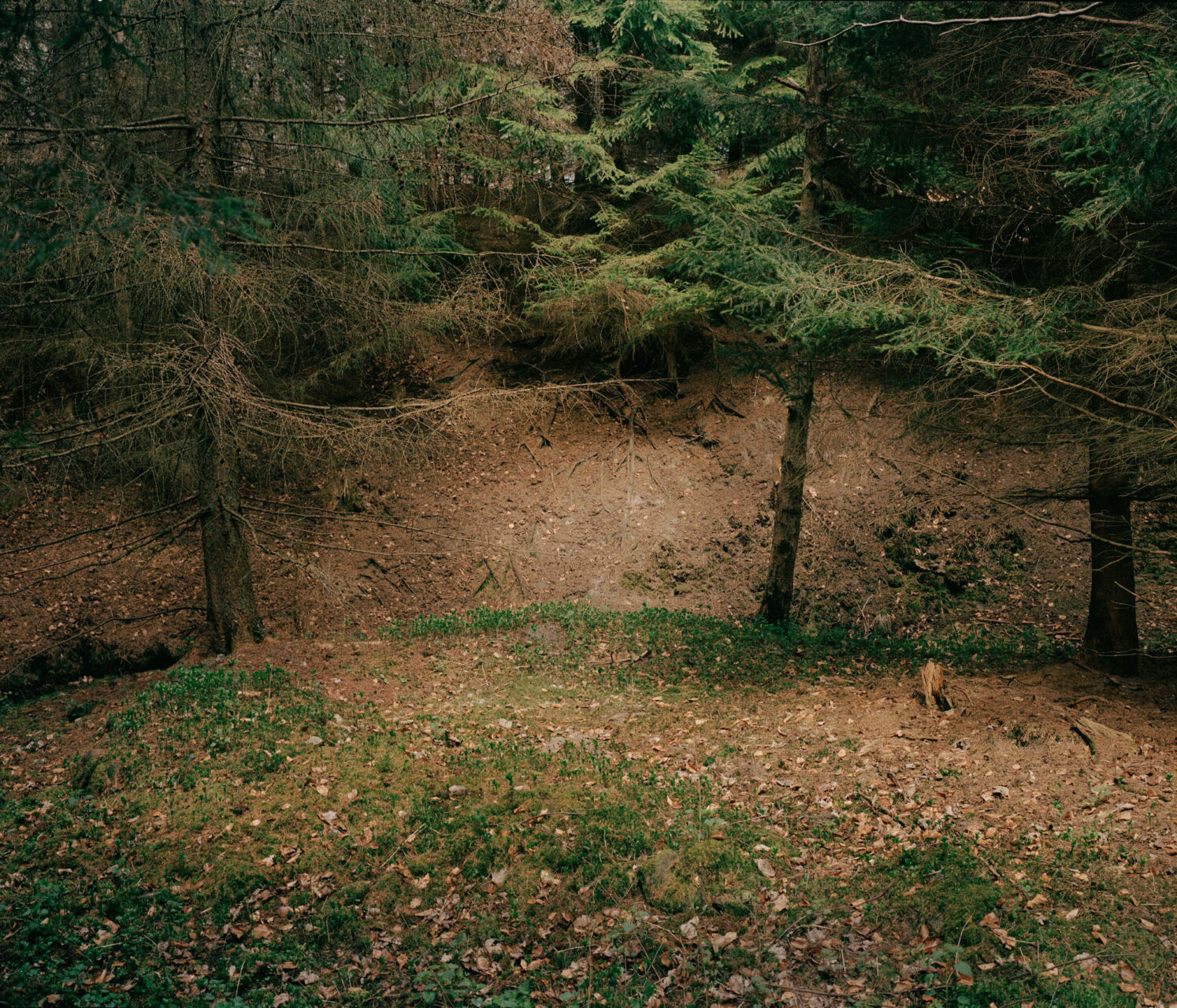 The forest near Maria‘s home on Zealand. She offers her clients a specific spiritual experience called „Walk and Talk in the Woods.“ The clients let themselves be guided through the forest by signs of nature to clarify an upcoming decision.
 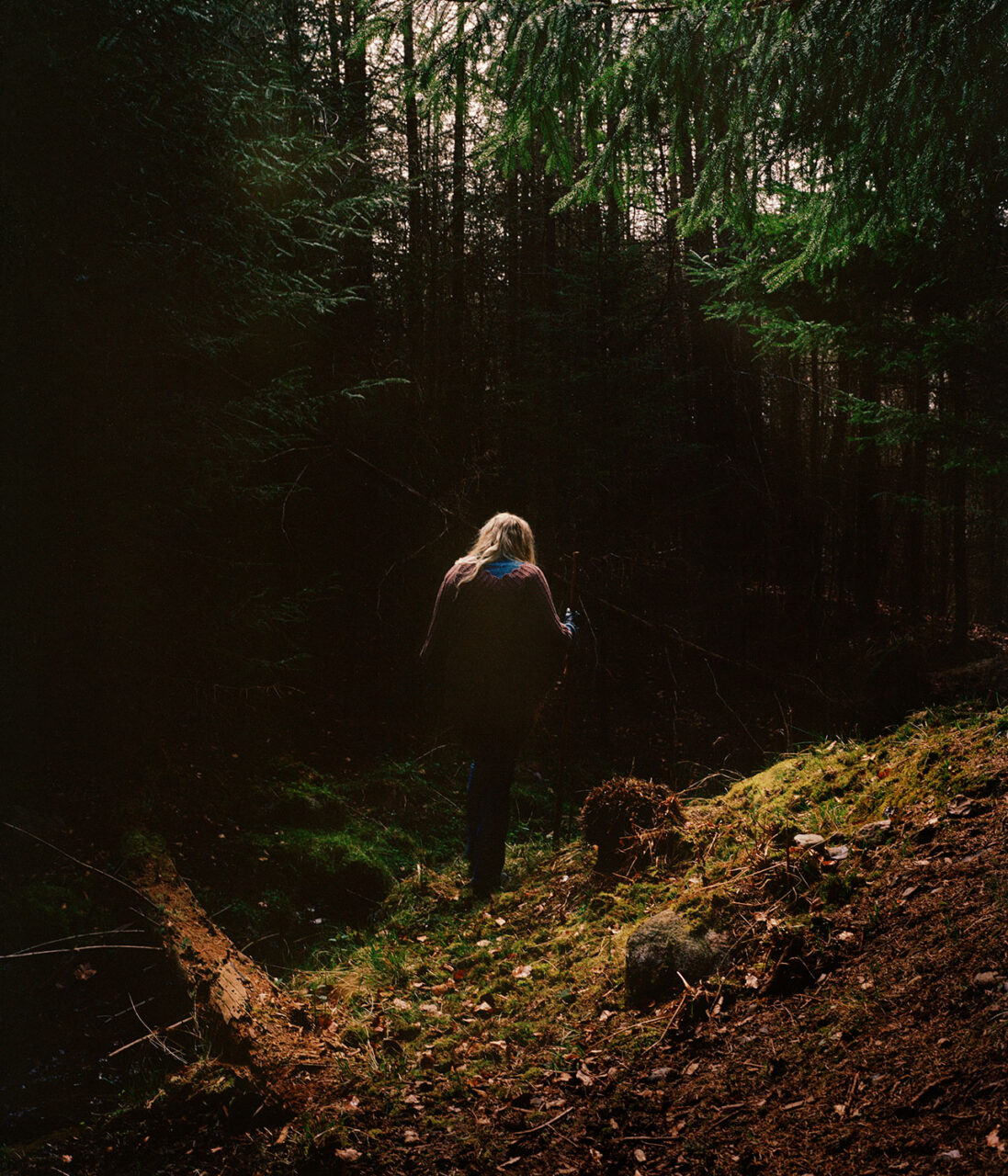 Maria does not like the term "witch" because it has a very negative connotation in society. She claims herself to be a wise woman.
 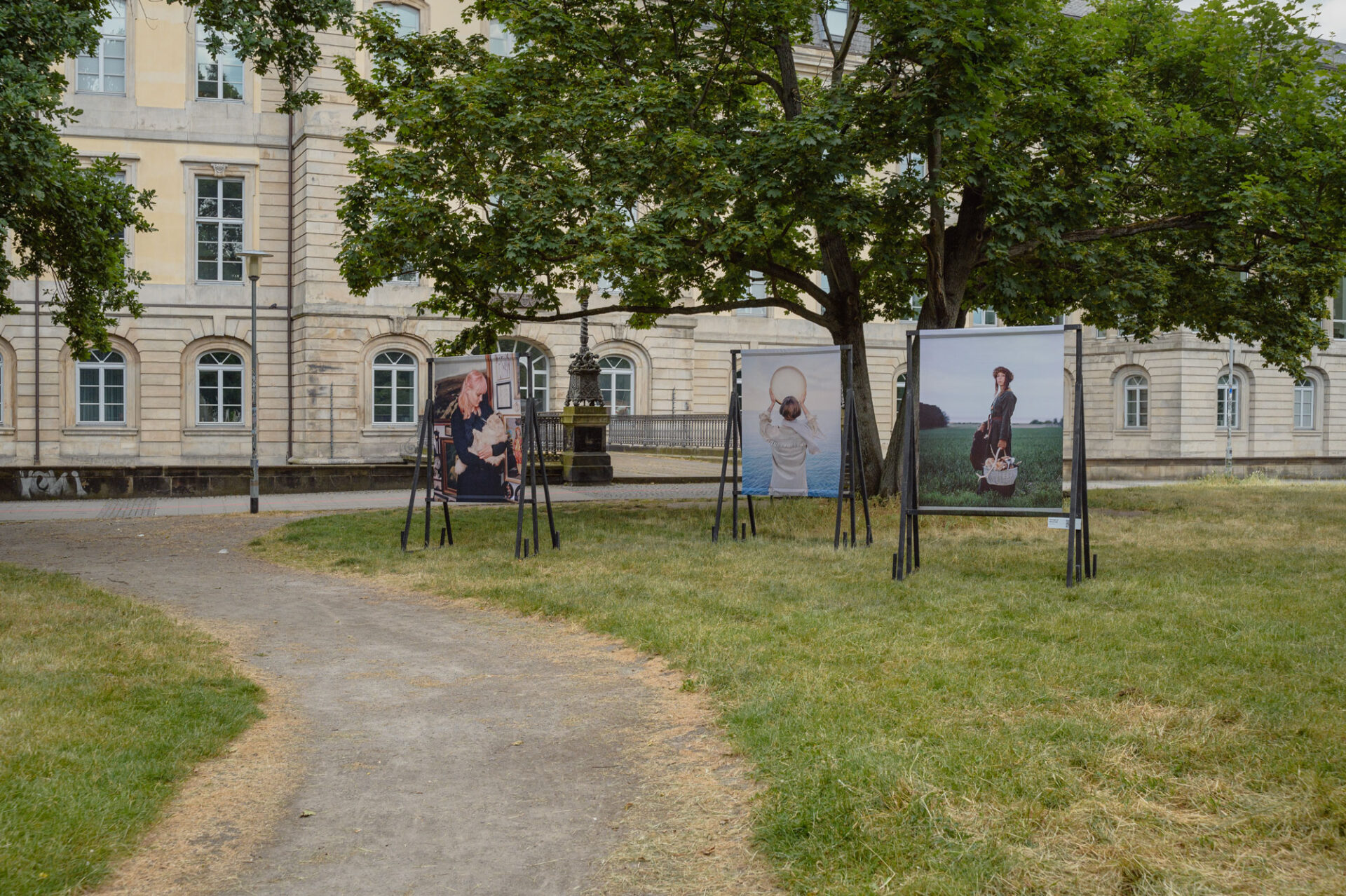 Outdoor Exhibition "Identity, Courage, Love." in Hanover, Germany, June 2023 © Felix Rosic